


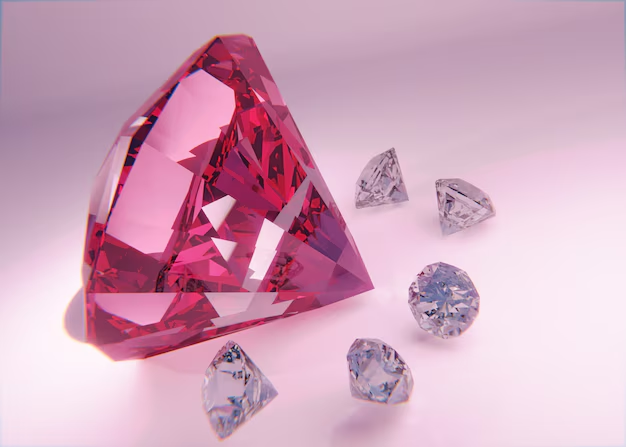
Diamonds have always symbolized love, luxury, and commitment. Today, buyers have two main choices when selecting a diamond: lab grown diamonds and natural diamonds. While they look identical to the naked eye, there are important differences in origin, price, and perception.
This guide explains everything you need to know so you can make an informed decision.
What Is a Natural Diamond
A natural diamond is formed deep within the Earth over billions of years under extreme heat and pressure. It is mined from the ground and then cut and polished into gemstones used in jewelry.
Because of their natural formation process and rarity, natural diamonds have traditionally been considered more valuable.
What Is a Lab Grown Diamond
A lab grown diamond is created in a controlled laboratory using advanced technology that replicates the natural diamond formation process. These diamonds have the same physical, chemical, and optical properties as mined diamonds.
To the naked eye, they are virtually identical to natural diamonds. lab grown diamond collections are available online with detailed grading information on the site.
Key Differences Between Lab Grown and Natural Diamonds
- Origin
Natural diamonds come from the earth, while lab grown diamonds are produced in laboratories.
- Price
Lab grown diamonds are typically 30% to 70% cheaper than natural diamonds of similar size and quality.
- Environmental Impact
Lab grown diamonds generally have a lower environmental impact compared to traditional mining.
- Rarity and Value
Natural diamonds are rarer, which can influence long-term resale value. Lab grown diamonds are more widely available.
- Appearance and Quality
Both types of diamonds are visually identical and share the same hardness and brilliance.
Advantages of Lab Grown Diamonds
- More affordable for larger stones like 1 carat or 2 carat diamonds
- Ethical sourcing with no mining required
- Environmentally friendly production process
- Same sparkle, durability, and beauty as natural diamonds
- Certified quality available from trusted laboratories
Advantages of Natural Diamonds
- Long-established tradition and emotional value
- Higher perceived rarity
- Potentially better resale value in some markets
- Geological formation over billions of years adds uniqueness
FAQs
Are lab grown diamonds real diamonds
Yes, lab grown diamonds are real diamonds. They have the same chemical and physical structure as natural diamonds.
Can you tell the difference between lab grown and natural diamonds
No, even trained gemologists need specialized equipment to distinguish between them.
Which is better lab grown or natural diamond
It depends on your priorities. Lab grown diamonds offer better value and ethical sourcing, while natural diamonds are valued for their rarity and tradition.
Do lab grown diamonds last forever
Yes, lab grown diamonds are just as durable as natural diamonds and can last forever with proper care.
Are lab grown diamonds cheaper
Yes, they are usually 30% to 70% less expensive than natural diamonds of similar quality.
Do lab grown diamonds hold value
Lab grown diamonds typically have lower resale value compared to natural diamonds due to higher supply.
Which diamond is better for engagement rings
Both are excellent choices. Lab grown diamonds are ideal for budget-friendly larger stones, while natural diamonds appeal to traditional buyers.
Final Thoughts
Both lab grown and natural diamonds have their own strengths. If you want affordability, ethical sourcing, and larger stones, lab grown diamonds are a great choice. If you value rarity and traditional investment appeal, natural diamonds may be more suitable.
Understanding the differences helps you choose a diamond that matches your values, budget, and lifestyle.
